Approved AI Data Centres Set to Escape New Australian Power and Water Rules
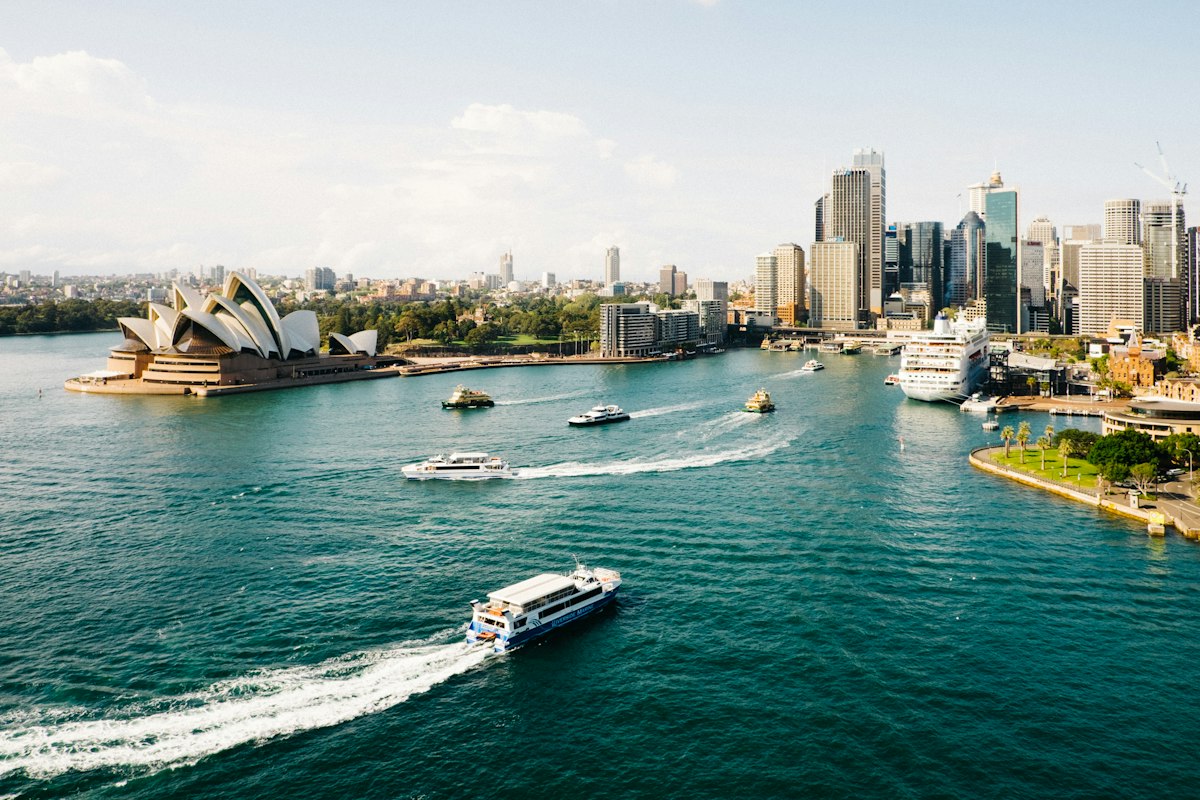
Australian Broadcasting Corporation reporting on September 11, 2026 says AI data-centre projects that already hold approvals are positioned to escape planned federal restrictions on energy and water use, because the contemplated rules would not apply retrospectively. The story lands as Canberra debates how hard to lean on hyperscale compute while households and manufacturers worry about grid stress and drought-sensitive catchments.
Filed under Policy and dated September 11, 2026, this AI4Australia briefing treats the ABC account as newsroom context, not a finished statute. Operators should separate projects already through planning gates from those still seeking approvals. Parallel legal commentary on Australia’s AI regulation path underscores that infrastructure rules and model-governance rules are moving on different clocks—even when both sit under the same political banner of “responsible AI.”
Why it matters: for developers, utilities, and mid-market buyers in Sydney, Melbourne, and regional corridors, grandfathering approved sites can lock in uneven water and power expectations for a decade. Communities near big campuses will ask why new rules bite newcomers harder. Enterprise tenants should read offtake contracts for who absorbs scarcity pricing if voluntary targets later harden.
What it means in practice

Australian leaders should inventory which facilities their workloads rely on, ask vendors for transparent power and water intensity disclosures, and run time-boxed pilots that measure cost and latency—not only model quality. Prefer contracts with export rights, logging, and clear force-majeure language around utility curtailment. Align with Australian privacy and workplace expectations already in force.
Workers and local councils deserve plain-language briefings when cooling water and peak power compete with other users. AI4Australia will keep underscoring that trust erodes when efficiency claims outrun published metering. Caveats: draft federal settings can shift before cabinets settle text, and state planning regimes still matter.
What to watch next: the final drafting of any federal energy and water rules for data centres; which approved campuses publish metering dashboards; and whether retrospective carve-outs become a lasting design pattern. Readers can continue on the AI4Australia homepage for related stories, or browse the Newsroom for additional briefings.
Bottom line: treat this update as orientation, not instruction. AI infrastructure policy in Australia is real, uneven, and unfinished. Organizations that benefit most will measure pilots honestly, pressure vendors for resource transparency, and keep people accountable for outcomes.